
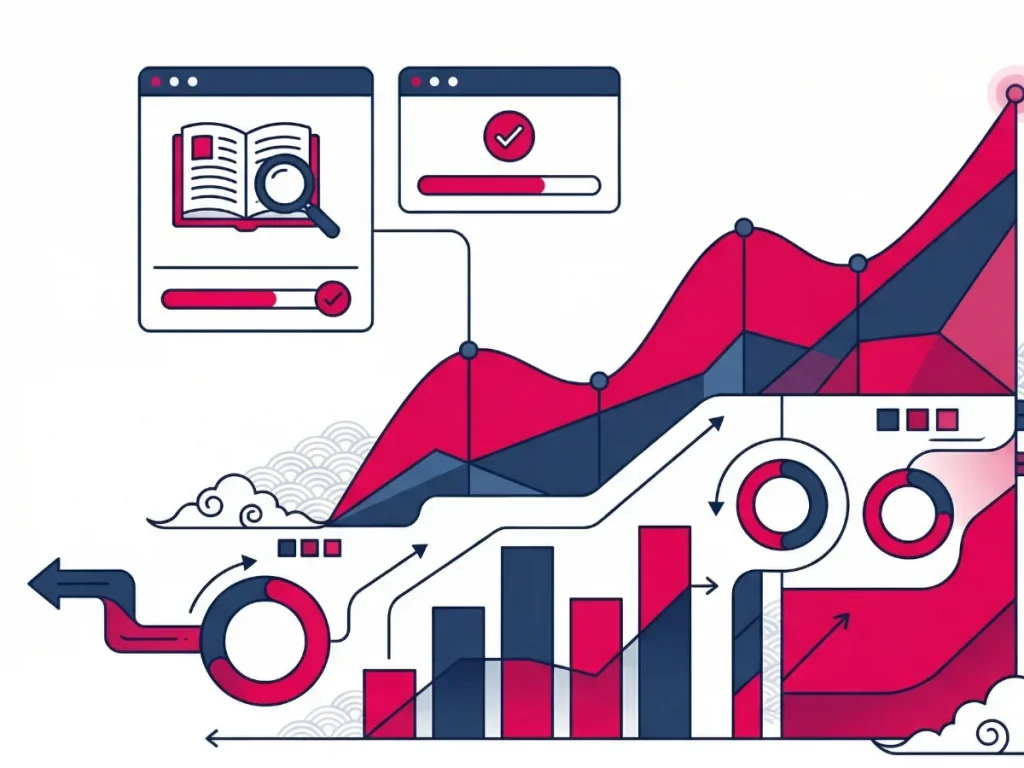
Almost every organization now has a dashboard. Far fewer have a decision that actually changed because of one. The gap is rarely a data problem — the numbers are usually sitting there, refreshed nightly, technically correct. The gap is that nobody built the habit, or the process, of letting the dashboard override what a manager already intended to do before they opened it.
Big Data Is Only Useful With a Question Attached
“Harnessing big data” sounds impressive and produces nothing on its own without a specific business question driving the analysis. Our big data analytics course is built around this question-first approach, and our Power BI data analytics certification course covers the practical tooling for turning that question into something a non-technical stakeholder will actually look at.
Data Governance Decides Whether Anyone Trusts the Numbers
A beautifully designed dashboard built on data nobody fully trusts gets ignored, quietly, in favor of gut instinct. That trust problem is a governance problem, not a visualization problem — who owns a data field’s definition, how conflicts between two systems’ numbers get resolved, who is accountable when a report is wrong. Our DAMA-DMBOK data management course covers exactly this governance layer, which usually matters more to adoption than the choice of chart type.
Statistical Process Control Turns Monitoring Into Prediction
Most dashboards report what already happened. Statistical process control is different — it is designed to flag when a process is drifting out of its normal range before it produces a defect or a failure, which is a genuinely more useful use of the same underlying data stream. Our statistical process control course covers that shift from descriptive reporting to predictive monitoring directly.
A dashboard that reports the past accurately is not the same as a dashboard that changes a decision going forward. Most organizations have built plenty of the first kind.
Analytics Skill Needs to Sit Outside a Single Specialist Team
The organizations that get the most value from analytics rarely concentrate all the skill in one data team that everyone else waits on. Distributing basic analytical fluency — reading a distribution, questioning a correlation, knowing what a dashboard is not telling you — across managers directly is what actually shortens the distance between a number appearing and a decision changing because of it.
The full data analytics and data science training catalogue is on our data analytics programs page, and our contact page is a good next step if your organization has plenty of dashboards and not enough decisions changing because of them.
Leave a Reply