
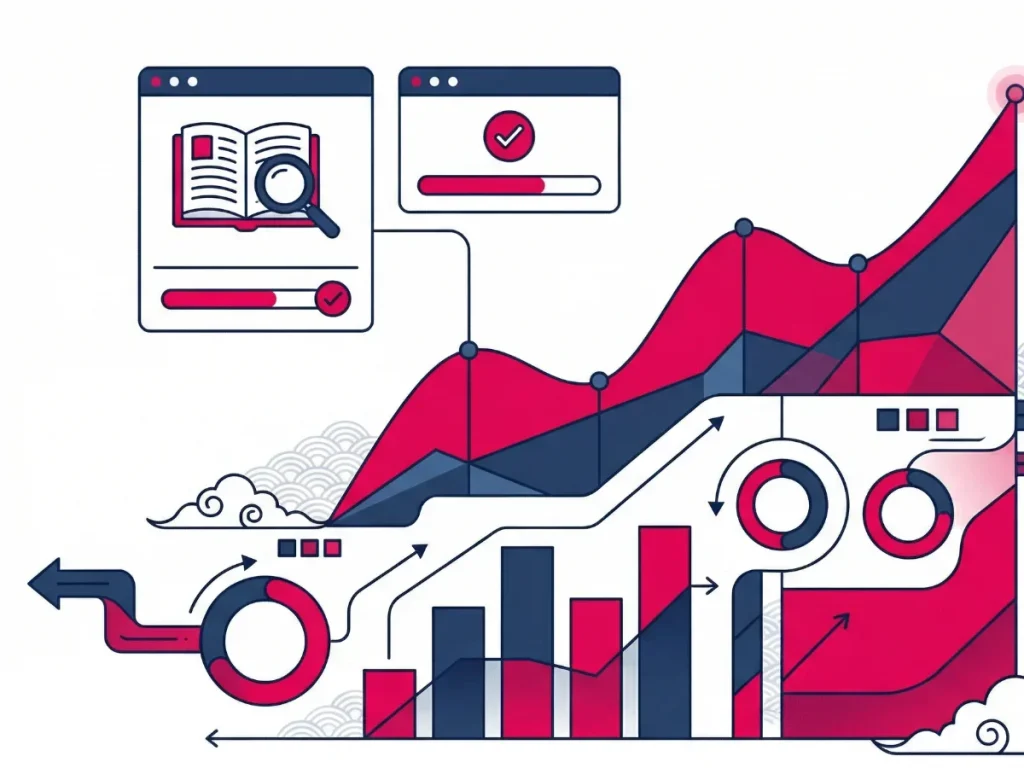
Analytics teams spend most of their attention on models, dashboards, and query performance, and very little on the infrastructure underneath all of it — the virtualized servers, the backup schedule, the cloud configuration someone set up during initial rollout and nobody has revisited since. That infrastructure layer is invisible right up until a restore fails or a virtualization license lapses mid-quarter and a critical report goes dark for a week.
Virtualization Underpins More Analytics Workloads Than Most Analysts Realize
The servers running a data warehouse or a BI platform are very likely virtualized, and the performance ceiling of an analytics platform is frequently a virtualization configuration issue rather than a query optimization problem. Our VCAP-DCV VMware data center virtualization exam prep course covers the infrastructure layer that a purely analytics-focused team rarely has visibility into.
Backup Strategy Is a Data Governance Issue, Not Just an IT Task
A data team that has never tested its own backup restoration process is one storage failure away from losing the historical dataset an entire forecasting model depends on. Our Veeam backup and replication course covers this specifically — installation, best practices, and the restoration testing that most teams skip until they actually need it.
Cloud Migration Changes the Security Model, Not Just the Hosting Bill
Moving analytics infrastructure to the cloud is frequently justified on cost, but the more consequential change is the shift in security responsibility — from a controlled data center to a shared-responsibility cloud model most teams have not fully mapped out. Our cloud computing implementation, management and security course covers exactly that shift.
A dashboard is only as reliable as the infrastructure quietly running underneath it. Analytics teams that never look at that layer eventually get surprised by it.
Even Finance-Facing Reporting Needs This Infrastructure Awareness
Reporting tools used by finance and administration teams sit on the exact same infrastructure stack as any other analytics workload, and the same virtualization, backup, and cloud risks apply even when the audience is a CFO rather than a data scientist. Our Power BI for finance and administration course is aimed at that audience directly, while assuming the same infrastructure discipline underneath.
The full data analytics and data science programs are on our data analytics programs page, and our contact page is a good place to start if your analytics platform’s infrastructure has not had a real review in a while.
Leave a Reply